

Is Lead Lined Drywall Safe?

Of course it is! Otherwise, it wouldn’t be the most well-known and utilised ways to secure an imaging room from gamma rays for its workers and patients alike. Once the board is installed and the wall is finished, the lead stays sealed between the gypsum and nobody in the room ever touches it.
Here is everything else you need to know about lead lined drywall safety and the concerns around handling.
Why Lead Lined Drywall Is Safe to Be Around
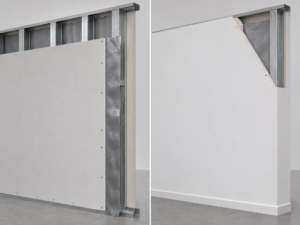
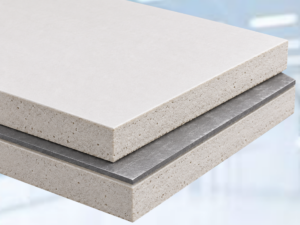
Lead lined drywall is a regular gypsum board with a sheet of lead laminated inside. The sheet of lead is sandwiched between the sides of the wall, the joints get lead batten strips, and the screw heads get lead caps.
Once the wall is installed, even before it is painted the lead is completely sealed in and its only job is to stop X-ray radiation from leaving the room.
Chances are you’ve stood next to lead lined walls without knowing it. Dental offices, hospital imaging rooms, and veterinary clinics are often built with them. Think about the lead apron a dental assistant lays across your chest during an X-ray. Many of those contain lead, and nobody thinks twice about having it on top of you. A finished wall you never touch is even less contact than that, making lead lined drywall safe to be nearby.
Handling Lead Lined Drywall: Weight Is the Real Concern
Handling intact boards is fine, even if the lead sheet sticks out for overlaps. As long as you wear gloves of course and periodically wash your hands while on site. But, the real safety concern about handling lead lined drywall that catches people off guard is how heavy it is.
|
Lead Thickness |
Approx. Weight (4×8 Panel) |
|
1/32″ |
125 to 145 lbs |
|
1/16″ |
185 to 200 lbs |
|
1/8″ |
300 to 320 lbs |
For comparison, a standard 1/2″ sheet of drywall weighs roughly 50 to 60 lbs. That’s why back strain and pinched fingers are the injuries to watch for on a lead drywall job. Plan for two or more people per panel, bring a panel cart or lift, and ask your supplier about narrower or shorter boards. They’re much easier to carry and hang that way.
When Does Lead Become a Concern?
The only time lead becomes a concern is when the lead sheet itself is cut, sanded, or drilled. That can create dust, and lead dust is harmful if it’s breathed in or swallowed. The body can’t easily get rid of lead, so it builds up over time, which is how lead poisoning develops.
Most of that cutting happens when the boards are manufactured, where dust control is part of the process. If your crew has to cut a board on site, use dust control and protective gear. We’ll cover how in an upcoming guide to cutting lead lined drywall.
Be sure to check your provincial occupational health and safety rules for working with lead before you start any site cutting.
Planning a lead lined drywall install? Contact Ultraray for panel sizes and lead thickness options.