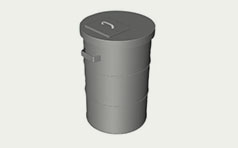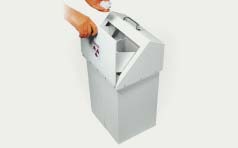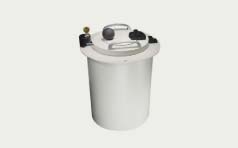

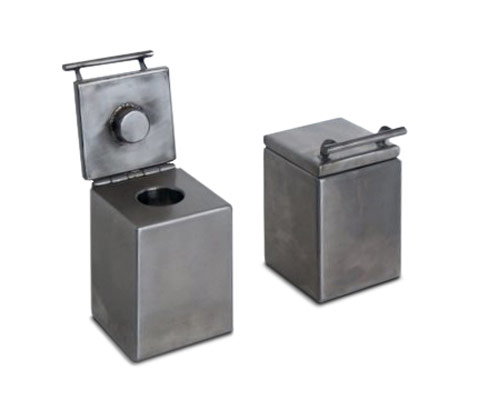
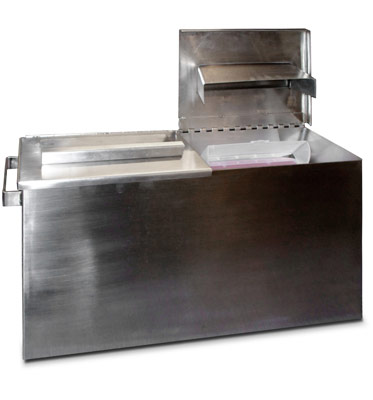
Lead Lined Containers

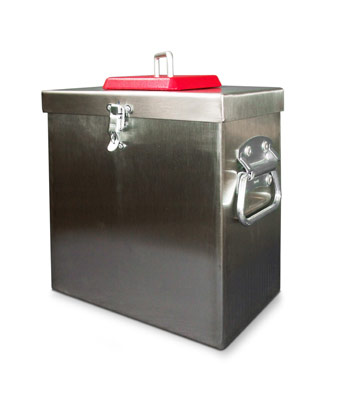
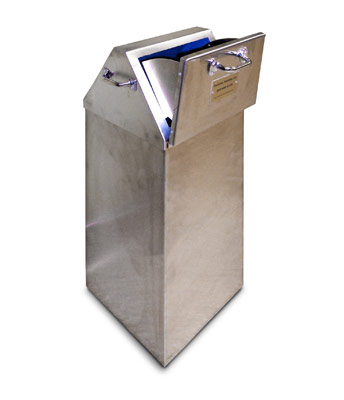
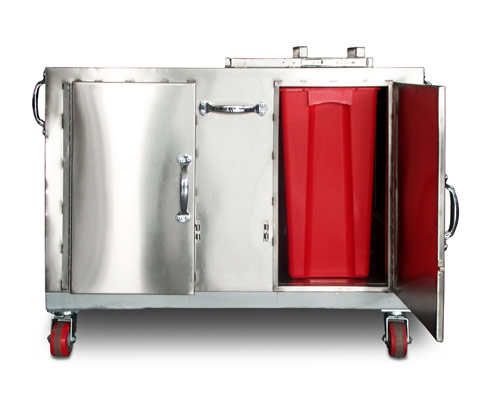
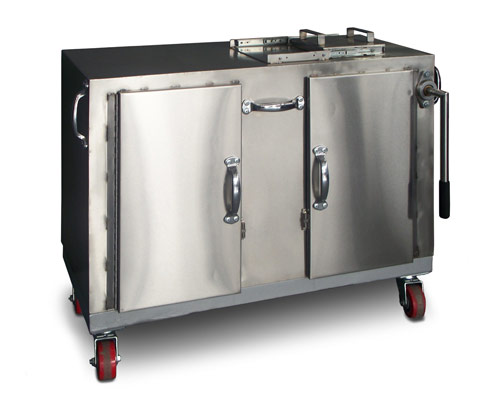
Shielded containers designed for the safe transport and storage of radioactive materials across medical, industrial, and scientific applications.
Key features and benefits
Lead-lined container construction – provides radiation shielding for radioactive materials during storage and transport
Secure container design – supports safe handling and containment of radioactive contents
Multiple size options available – allows selection based on material type and quantity
Versatile application use – suitable for medical, industrial, and scientific environments
Portable form factor – supports movement of materials between controlled locations
Product overview
Lead-lined containers are designed to provide a safe and secure solution for transporting and storing radioactive materials in a variety of controlled environments. These containers incorporate integrated radiation shielding to help manage exposure while materials are handled, stored, or moved between locations.
The containers are available in various sizes, allowing users to select configurations appropriate for the type, quantity, and handling requirements of the radioactive materials involved. As a result, they can be used across a wide range of applications, including medical facilities, industrial operations, and scientific or research settings.
Because use cases and handling conditions vary, lead-lined containers should be selected and deployed as part of a broader radiation protection strategy. They support safe storage and transport practices but do not replace facility-level shielding, access controls, or handling procedures.
When to use this product
Use these containers when:
Radioactive materials must be transported between controlled areas
Shielded storage is required for small quantities of radioactive material
Portability is needed without compromising radiation protection
Materials are handled across medical, industrial, or scientific workflows
Secure containment is required during temporary storage
Where this product is typically found
These containers are commonly used in:
Nuclear medicine departments
Radiopharmacy and laboratory environments
Industrial and inspection facilities
Research and scientific laboratories